To be the leading reference in translating neuroscientific discoveries into practical solutions that improve the human condition. Decode the neural basis of human behavior to advance treatment and enhancement of cognitive function, and drive neuroscience-driven innovation.
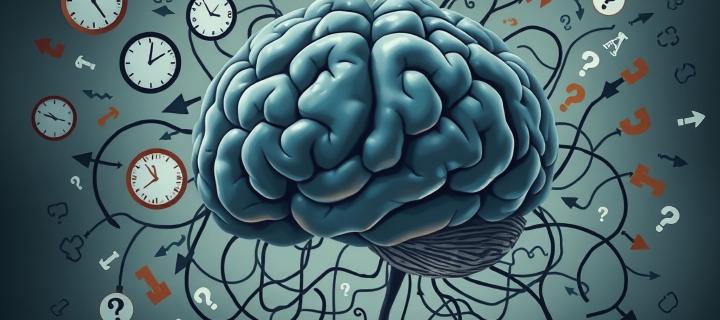
Neuroscience
Exploring the brain's structure, neural circuits, and biological foundations of behavior, cognition, and emotion.
Conduct cutting-edge research on neural mechanisms that shape human cognition, emotion, and behavior, and leverage this knowledge to develop novel treatments and interventions that improve brain health, function, and performance, while promoting neuroscientific literacy and responsible brain-inspired innovation.
The questions and outcomes this division concentrates on, drawn directly from its vision and mission.
Neural mechanisms of behavior
Research into the neural mechanisms that shape human cognition, emotion, and behavior.
Brain health and treatment
Novel treatments and interventions that improve brain health, function, and performance.
Translational solutions
Translating neuroscientific discoveries into practical solutions that improve the human condition.
Neuroscientific literacy
Promoting neuroscientific literacy and responsible brain-inspired innovation.
Themes our contributors explore, summarized from the division's published articles.
Decision fatigue in the brain
Repeated choices drain the prefrontal cortex through glucose, glutamate, and dopamine shifts, pushing the brain from careful reasoning toward impulsive, error-prone shortcuts.
The feeling brain
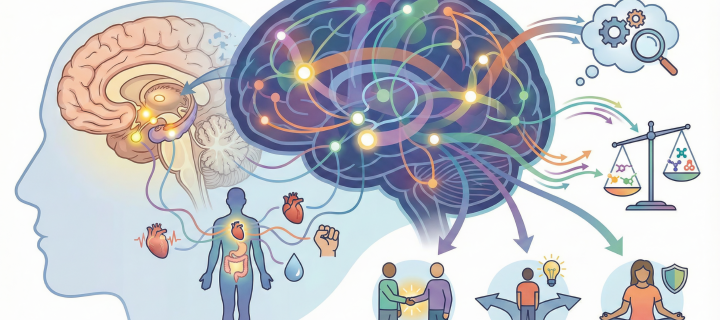
Emotions are not fixed circuits but are constructed across distributed brain networks, blending bodily signals with cognition to guide decisions, social life, and mental health.
Allostatic load and burnout
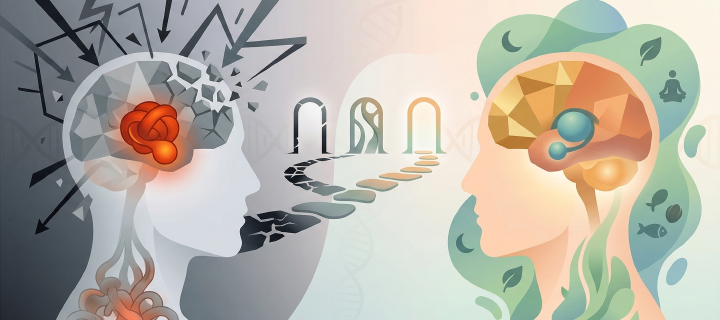
Chronic stress accumulates biological wear that shrinks the prefrontal cortex, enlarges the amygdala, and erodes motivation, recasting burnout as measurable neurobiological dysregulation.
The adaptive, plastic brain
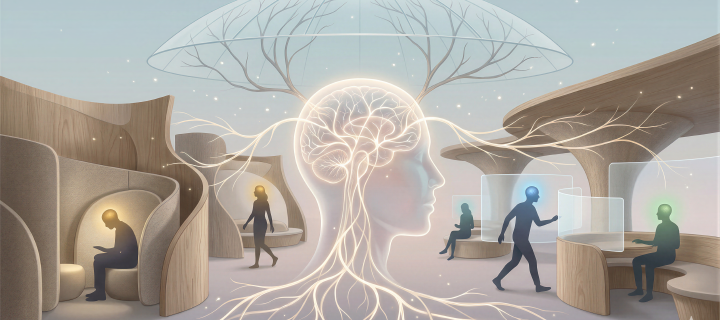
The brain stays plastic and can be trained for cognitive flexibility, letting leaders resist stress-driven rigidity and adapt their thinking under crisis and complexity.
Further reading
Neurobiological Exhaustion: Metabolic and Network Mechanisms of Decision Fatigue
The Feeling Brain: A Synthesis of Emotion Neuroscience and Its Implications for Behavioral Science
The Neuro-Biology of Burnout: Managing Allostatic Load in High-Stakes Environments
The Adaptive Mind: Architecting Neuro-Inclusive Leadership in a Complex World