Loading...

Back to all disciplines

Applied Behavior and Modification

Evidence-based behavioral principles to understand, predict, and modify human behavior in real-world settings.

Purpose and Direction
Vision

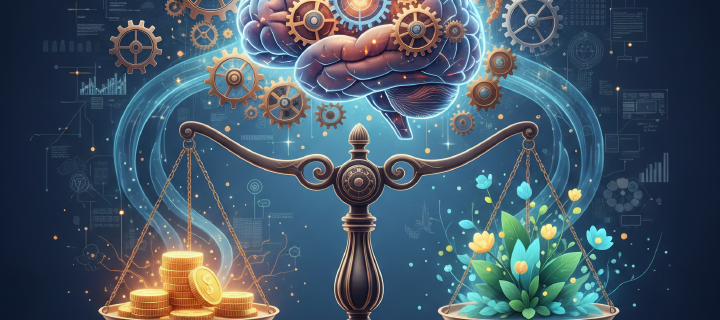
To be the preeminent global resource for the ethical and impactful application of behavioral science by applying behavioral science principles to drive positive change, improving health outcomes, and enhancing the human experience through effective behavior modification strategies.

Mission

To study, develop, evaluate, and disseminate evidence-based behavioral interventions that improve health, well-being, and quality of life, while promoting the adoption of behavioral science principles in real-world settings.

Focus areas

The questions and outcomes this division concentrates on, drawn directly from its vision and mission.

Evidence-based interventions

Studying, developing, evaluating, and disseminating evidence-based behavioral interventions.

Health and quality of life

Interventions that improve health, well-being, and quality of life.

Behavior modification

Effective behavior modification strategies that drive positive change.

Real-world adoption

Promoting the adoption of behavioral science principles in real-world settings.

Research themes

Themes our contributors explore, summarized from the division's published articles.

Principles of behavior change

Learning theory and motivation drive lasting behavior change through conditioning, reinforcement, and self-efficacy, with the quality of motivation mattering more than the quantity of rewards.

Motivation and engagement

Self-determination theory and gamification show that supporting autonomy, competence, and relatedness builds durable engagement, while controlling rewards and superficial points erode intrinsic drive.

Ethics of intervention

Behavioral nudges and AI carry real power, so practitioners must protect autonomy, ensure transparency, avoid manipulation, prevent bias, and weigh effects on vulnerable groups.

Resilient organizations and culture

Organizations endure volatility and leadership transitions through simple rules, rhythm, strategic redundancy, and embedded culture rather than rigid control or dependence on indispensable founders.

Wellbeing at work

Sustained performance needs optimal stress, not constant overload. Burnout and compassion fatigue stem from flawed structures, so organizations should design recovery and support into the system.

Culture, groups, and foundations

Behavioral science spans cultural variation, group dynamics, interdisciplinary collaboration, and applied behavior analysis, translating rigorous research into interventions that respect context and drive real-world change.

Further reading