
Introduction#
The contemporary landscape of high-stakes global systems, ranging from critical enterprise technology infrastructures to advanced healthcare ecosystems, is fundamentally dependent on the psychological, cognitive, and physiological resilience of organizational leaders. In these environments, the leader operates as the central architect of systemic stability, acting as the primary shock absorber for operational friction, interpersonal conflict, and crisis management. However, this architectural reliance introduces a profound, systemic vulnerability. The prevailing paradigm of leadership demands an unsustainable and continuous expenditure of emotional and cognitive resources, treating human empathy as an infinitely renewable commodity. The resultant phenomenon, frequently misdiagnosed in corporate parlance simply as burnout, is a far more complex and destructive biological and psychological deterioration known as compassion fatigue.
The core of this crisis does not reside in the individual weakness or lack of resilience of the modern leader, but rather in the fundamentally flawed choice architecture of modern organizations. When systems are poorly designed, they fail to provide structural support, forcing leaders to bridge operational and relational gaps through continuous, exhausting “emotional labor.” Organizations have historically defaulted to an “Individual Empathy” model, in which the burden of care, psychological safety, and emotional regulation is placed squarely on management’s shoulders. The resolution to this systemic failure requires a radical paradigm shift in organizational design: implementing the GCBS solution. By transitioning from a reliance on “Individual Empathy” to the architectural integration of “Systemic Compassion,” organizations can hard-wire support mechanisms directly into the operational default. This ensures that the system itself absorbs emotional friction, liberating the leader from carrying the entire emotional load. This exhaustive report investigates the biological costs of leadership, the complex mechanics of emotional labor within the context of choice architecture, and the strategic implementation of the GCBS framework to ensure the sustainability of high-stakes global systems.
The Biological and Neurological Cost of Leadership#
To understand the absolute necessity of structural redesign, one must first rigorously quantify the biological toll that high-stakes leadership extracts from the human organism. The human body possesses a finite capacity for stress mediation and environmental adaptation. When leaders are consistently exposed to the intense demands of directing teams, managing high-stakes crises, and absorbing the emotional distress of their subordinates, they experience a specific, localized pathology known as chronic power stress. This stress is not merely a psychological inconvenience; it triggers a highly destructive biological cascade that fundamentally alters the brain’s architecture and the body’s physiological baseline.
The Energetic Model of Allostatic Load and Hypermetabolism#
The physiological wear-and-tear resulting from chronic, unmitigated stress is conceptualized in the scientific literature as “allostatic load”. Allostasis is the body’s physiological and behavioral process of maintaining stability (homeostasis) in the face of environmental changes. In acute, short-term scenarios, allostatic responses are highly adaptive, mobilizing energy to confront immediate threats. However, in modern leadership contexts, the psychosocial stressors are unremitting, leading to an accumulation of damage over time.
The Energetic Model of Allostatic Load (EMAL) provides a crucial, mechanistic framework for understanding this phenomenon. According to EMAL, living organisms have a strictly limited capacity to consume and utilize energy. The transduction of chronic psychosocial stress into physical disease and cognitive decline occurs because allostatic processes require immense, continuous energetic burdens. When a leader is constantly mediating conflicts, making high-stakes decisions, and performing intensive emotional labor, the brain and body enter a state of hypermetabolism, defined as the overconsumption of energy by allostatic processes that vastly exceeds the organism’s optimal metabolic baseline.
Because the body’s energy reserves are finite and bounded, this stress-induced energy expenditure directly competes with the energy required for vital, longevity-promoting processes, such as cellular growth, immune system maintenance, and neurological repair. Mechanistically, this energetic restriction leads to the progressive subcellular deterioration of organ systems. Leaders operating under high allostatic load consistently exhibit elevated systemic inflammation, marked by significant dysregulation in immune biomarkers such as Interleukin-6 (IL-6), C-reactive protein (CRP), and Tumor Necrosis Factor-alpha (TNF-α). Over time, this biological deficit accelerates physiological decline, compromises the immune system, and fundamentally impairs executive function.
The Pathological Distinction Between Burnout and Compassion Fatigue#
A critical failure in contemporary human resources and organizational development is the conflation of burnout and compassion fatigue. While both conditions result in profound professional impairment, they are distinct neurobiological and psychological conditions that possess entirely different etiologies and, consequently, require entirely different systemic interventions.
Burnout is primarily a condition of chronic occupational strain resulting from structural inefficiencies, excessive workload, lack of autonomy, and structural underfunding. Administrative burdens and misaligned operational demands heavily influence it. Individuals experiencing burnout move through a phase of high engagement into stagnation and frustration, eventually producing a hollow exhaustion characterized by depersonalization, cynicism, and a reduced sense of personal accomplishment. It is a gradual, progressive deterioration resulting from unsustainable working conditions.
Compassion fatigue, conversely, is an acute, specific psychological injury. Often referred to in the clinical literature as secondary traumatic stress or “the cost of caring,” compassion fatigue is the direct result of sustained empathic engagement with the suffering, trauma, or intense emotional distress of others. It is not caused by the volume of emails, budgetary constraints, or typical hindrance demands; rather, it is caused by the emotional weight of profound relational complexity.
The most insidious nature of compassion fatigue is that it actively targets the most effective, highly empathetic, and deeply engaged leaders. Psychological depletion is the literal biological cost of empathy. The psychological mechanisms driving this include countertransference, a dynamic rooted in psychodynamic theory where the leader deeply identifies with and absorbs the emotional state of their team members, leading to biased decision-making and severe empathic distress. As the capacity for empathy becomes impaired and depleted, the leader’s nervous system defaults to a state of biological self-preservation. This manifests physically and psychologically as hypervigilance, emotional numbness, detachment, chronic muscle tension, digestive issues, and the loss of the sense of meaning that originally drew the individual to the leadership role.
Diagnostic Distinctions: Standard Occupational Burnout vs. Compassion Fatigue#
- Primary Systemic Catalyst
- Standard Occupational Burnout: Triggered by excessive occupational strain, high administrative workload, systemic inefficiencies, and a lack of resources.
- Compassion Fatigue (Secondary Traumatic Stress): Driven by sustained empathic engagement, absorbing others’ emotional distress, and managing intense relational complexities.
- Onset Trajectory and Speed
- Standard Occupational Burnout: Characterized by a gradual, progressive accumulation of frustration and emotional exhaustion over an extended timeline.
- Compassion Fatigue: Can be highly acute, with a rapid onset following intense relational mediation, crisis-management periods, or vicarious trauma.
- Core Symptomology
- Standard Occupational Burnout: Manifests as hollow exhaustion, cynicism, depersonalization, and reduced professional efficacy.
- Compassion Fatigue: Presents as intrusive thoughts, profound emotional numbness, hypervigilance, sleep disruption, and a loss of personal meaning.
- Biological Manifestation
- Standard Occupational Burnout: Results in dysregulated cortisol patterns, chronic fatigue, and general physical strain.
- Compassion Fatigue: Leads to hypermetabolism, high allostatic load, and measurable immune dysfunction (e.g., IL-6, CRP abnormalities).
- Primary Vulnerable Population
- Standard Occupational Burnout: Primarily affects individuals trapped in misaligned, poorly resourced, or highly bureaucratic roles.
- Compassion Fatigue: Primarily impacts highly empathetic individuals, dedicated caregivers, and high-engagement, transformational leaders.
The Systemic Ripple Effects of Allostatic Overload and Cognitive Rigidity#
When an individual leader crosses the critical threshold from adaptive allostasis to maladaptive allostatic overload, the consequences are not contained within the individual organism; they permeate the entire organizational network. As the biological cost mounts, decision-making processes become increasingly cognitively rigid.
Metacognition, the crucial, higher-order cognitive process of thinking about how one thinks, severely deteriorates under conditions of high allostatic load. Metacognition is a form of self-awareness that enables individuals to overcome cognitive biases, recognize their emotional states, and avoid negative influences on decision-making. It acts as an organizational “superpower,” particularly in environments where individuals seek to influence others through persuasion or complex choice architecture. However, as compassion fatigue sets in and energy is diverted from the prefrontal cortex to the amygdala for threat responses, this metacognitive capability collapses. Consequently, leaders lose the capacity for nuanced choice architecture, emotional regulation, and strategic foresight, defaulting instead to reactive, short-term crisis management.
This biological reality underscores a vital organizational truth rarely acknowledged in management theory: empathy is a biologically costly, exhaustible resource. Expecting leaders to generate empathy ad infinitum without structural replenishment is equivalent to operating a high-performance mechanical system without lubrication. The resulting friction inevitably and predictably destroys the machinery.
Emotional Labor as an Exhaustible Resource#
To bridge the gap between the human leader’s biological capacity and the relentless demands of the organizational system, modern enterprises rely heavily on a phenomenon known as “emotional labor.” Originally conceptualized by sociologists in the context of frontline service workers and hospitality staff, emotional labor has increasingly become the defining, yet fundamentally unquantified, metric of modern executive and operational leadership.
The Mechanics of Emotional Regulation: Surface and Deep Acting#
Emotional labor refers to the continuous psychological process of regulating one’s feelings and outward expressions to fulfill organizational goals, maintain cultural norms, and meet interactional expectations. In high-stakes environments, leaders are constantly required to project absolute calm during existential crises, feign enthusiasm for shifting corporate directives, and actively suppress their own anxiety, doubt, or frustration to maintain team morale.
This psychological labor occurs through two primary regulatory mechanisms: surface acting and deep acting. Surface acting involves modifying one’s outward emotional expression without genuinely changing the internal emotional state, essentially wearing a carefully constructed mask to satisfy social and professional requirements. Deep acting, conversely, involves a complex cognitive reappraisal where the individual attempts to genuinely align their internal feelings with the required organizational emotional display.
While both mechanisms demand immense cognitive resources, surface acting is particularly deleterious. It is strongly correlated with high physiological arousal, severe emotional discrepancy, decreased job satisfaction, and accelerated allostatic load. Furthermore, the continuous suppression of negative emotions, such as anger or frustration, has been directly linked to painful physiological consequences, cardiovascular strain, and long-term psychological damage. When a leader must constantly surface-act to project confidence while internally experiencing the chaos of a poorly designed system, the resulting cognitive dissonance rapidly accelerates the onset of compassion fatigue.
The Mechanisms of Emotional Labor: Surface vs. Deep Acting#
This breakdown details the two primary mechanisms of emotional labor, highlighting their distinct processes, psychological tolls, and long-term systemic consequences on leadership sustainability.
- Surface Acting
- Definition and Process: Modifying outward emotional expressions to meet organizational display rules without altering genuine internal feelings.
- Psychological and Biological Impact: Creates profound emotional discrepancy and cognitive dissonance; linked to cardiovascular strain and anger suppression.
- Long-Term Systemic Outcome: Rapid acceleration of allostatic load, severe burnout, and detachment from organizational values.
- Deep Acting
- Definition and Process: Utilizing cognitive reappraisal to align internal emotions with the required professional display rules genuinely.
- Psychological and Biological Impact: High cognitive load due to constant System 2 thinking, but lower emotional dissonance compared to surface acting.
- Long-Term Systemic Outcome: Slower depletion of resources, but ultimately unsustainable without structural support and adequate recovery periods.
The Unprecedented Expansion of Management Demands#
The contemporary corporate and organizational landscape has witnessed a dramatic, almost unmanageable expansion of the management mandate. Leaders are no longer tasked with operational oversight, strategic planning, and resource allocation; they are increasingly expected to function as localized therapists, conflict mediators, and primary emotional anchors for their teams.
Recent workforce data indicate a staggering 25% increase in burnout among managers, a crisis driven by the fact that they are now performing vast amounts of “extra emotional labor” as a core component of their jobs. While management has always involved a degree of relational complexity and emotional intelligence, the current macroeconomic and sociopolitical environment has exponentially amplified these demands. Leaders are consistently being asked to “do more with less” while navigating global health crises, remote work and isolation, technological disruption, and socioeconomic instability, and simultaneously bearing the ultimate responsibility for their team’s emotional well-being.
This dynamic creates a vicious, self-perpetuating cycle: as systemic resources shrink and macro-stressors rise, the emotional friction within the team increases. This forces the leader to expend ever-greater amounts of emotional labor to maintain stability and prevent turnover, thereby accelerating the leader’s path toward compassion fatigue and biological exhaustion.
Bureaucratic Impersonality vs. Bounded Emotionality#
Historically, organizations attempted to solve the problem of emotional friction and interactional complexity through the implementation of “bureaucratic impersonality.” This management philosophy involved designing rigid, hierarchical systems that actively discouraged emotional expression, prioritizing pure, rational efficiency and standardization. However, modern organizational science has demonstrated that this approach is fundamentally flawed; it merely drives emotional labor underground, alienates employees, stifles innovation, and fails to account for the reality of human psychological needs.
In response, the modern corporate counter-movement has swung wildly in the opposite direction, toward maximizing empathy, vulnerability, and absolute authenticity in the workplace. Yet, this unstructured demand for complete emotional availability is precisely what induces hypermetabolism and compassion fatigue in leaders. When there are no boundaries on empathy, the leader is consumed by the collective’s emotional needs.
What is required is a structural middle ground: “bounded emotionality”. Bounded emotionality is an organizational framework, famously studied in contexts such as The Body Shop, that encourages authentic relational connection and compassion but places definitive, structural boundaries on emotional demands to protect the psychological reserves of the workforce. Achieving bounded emotionality is impossible through mere cultural mandates; it requires fundamentally altering the environment in which decisions and interactions occur. It requires redesigning the organization’s choice architecture.
The Flaws of Current Organizational Choice Architecture#
The exhaustion of the modern architect is primarily, and tragically, a design flaw. Leaders are burning out not because they lack inherent psychological resilience, but because the environment, specifically, the choice architecture, forces them to swim against the current of human biology continuously.
Defining Choice Architecture in the Leadership Context#
Choice architecture is a behavioral science framework that examines how the design, layout, and structure of a decision environment influence, or “nudge,” individuals toward specific choices without forbidding alternatives, restricting freedom, or significantly altering economic incentives. A classic, widely cited example of effective choice architecture is the automatic enrollment of employees into 401(k) retirement plans. By making participation the default setting (opt-out) rather than requiring an active, paperwork-heavy decision to join (opt-in), participation rates soar, dramatically improving long-term financial outcomes. Similarly, changing organ donation registries from opt-in to opt-out has been shown to radically increase societal participation without limiting individual choice.
Fundamentally, a “nudge” makes the optimal, healthy, or beneficial choice incredibly frictionless, while adding slight procedural friction to the harmful or suboptimal choice. However, while the principles of choice architecture and nudging have been widely applied to consumer behavior, marketing, digital fintech, and public health, they have rarely been applied to the internal emotional ecosystems of organizations or to the cognitive preservation of leaders.
The Burden of the “Opt-In” Empathy Model#
In the vast majority of high-stakes global systems today, compassion, recovery, and structural support are designed as “opt-in” behaviors. If a leader wishes to support a struggling team member, the leader must actively recognize the distress, devise an appropriate intervention, allocate the necessary time away from operational duties, and absorb the emotional fallout. This requires deliberate, energy-intensive System 2 thinking and significant emotional labor. Because empathy is not the organization’s structural default, the leader must construct it manually in every instance.
This reliance on individual empathy represents a catastrophic failure of organizational design. Under conditions of high allostatic load and chronic power stress, human beings naturally and inevitably default to the path of least cognitive resistance. If demonstrating compassion requires immense emotional labor, navigating bureaucratic red tape, and risking operational delays, the biologically exhausted leader will eventually cease to demonstrate it, leading to systemic toxicity and high employee turnover.
Masculine Defaults and the High Cost of Change#
Furthermore, the existing defaults in corporate environments are rarely neutral or purely logical. Organizational cultures and their underlying architectures are often built upon “masculine defaults”, defined as ideas, policies, practices, norms, and beliefs that reward standard behaviors that are culturally coded as masculine, such as aggressive independence, relentless competition, emotional suppression, and extreme self-reliance. In environments where masculine defaults govern the choice architecture, seeking help, demonstrating vulnerability, or executing systemic compassion is viewed as a deviation from the norm. Consequently, engaging in these behaviors requires taking on significant social risk and performing additional emotional labor to justify the deviation.
When organizations do attempt to shift their culture toward wellness or compassion, they often fail because they underestimate the perceived “cost of change”. In complex B2B environments and internal organizational journeys, the cost of change is not merely financial; it includes the intense emotional labor of retraining, the cognitive load of learning new systems, and the status risk associated with adopting new behaviors.
For example, traditional corporate wellness initiatives frequently require employees to attend after-hours social events or mandatory “relaxation” seminars. Far from providing actual relief, these poorly designed events demand additional emotional labor, forced socialization, and continuous impression management. They actively contribute to hospitality fatigue and emotional exhaustion because employees must “work” to appear relaxed and engaged to management.
Misclassifying Stressors: Threat Demands vs. Hindrance Demands#
The failure of current choice architecture is also deeply rooted in an organizational misclassification of psychosocial stressors. Corporate nudges are often designed to increase productivity by optimizing workflow, essentially addressing “hindrance demands” (obstacles that block goal attainment) or “challenge demands” (tasks that foster gain and increase motivation).
However, the emotional labor inherent in managing human suffering, mediating extreme conflict, or navigating high-stakes global crises constitutes a “threat demand”. Threat demands are fundamentally different; they signal a risk of psychological injury, evoke anxiety, and trigger severe physiological stress responses and allostatic load.
The optimal architectural solution to a threat demand is not to make the leader more “resilient” to the threat, but to architect the environment to remove or limit exposure to the threat entirely. When organizations fail to differentiate between these demands, they prescribe individual coping mechanisms, such as mindfulness applications or resilience training, for systemic trauma. This is a profound misalignment of choice architecture that actively exacerbates compassion fatigue by implicitly blaming the leader for failing to withstand a toxic structure.
The GCBS (The Global Council for Behavioral Science) Solution: Transitioning to Systemic Compassion#
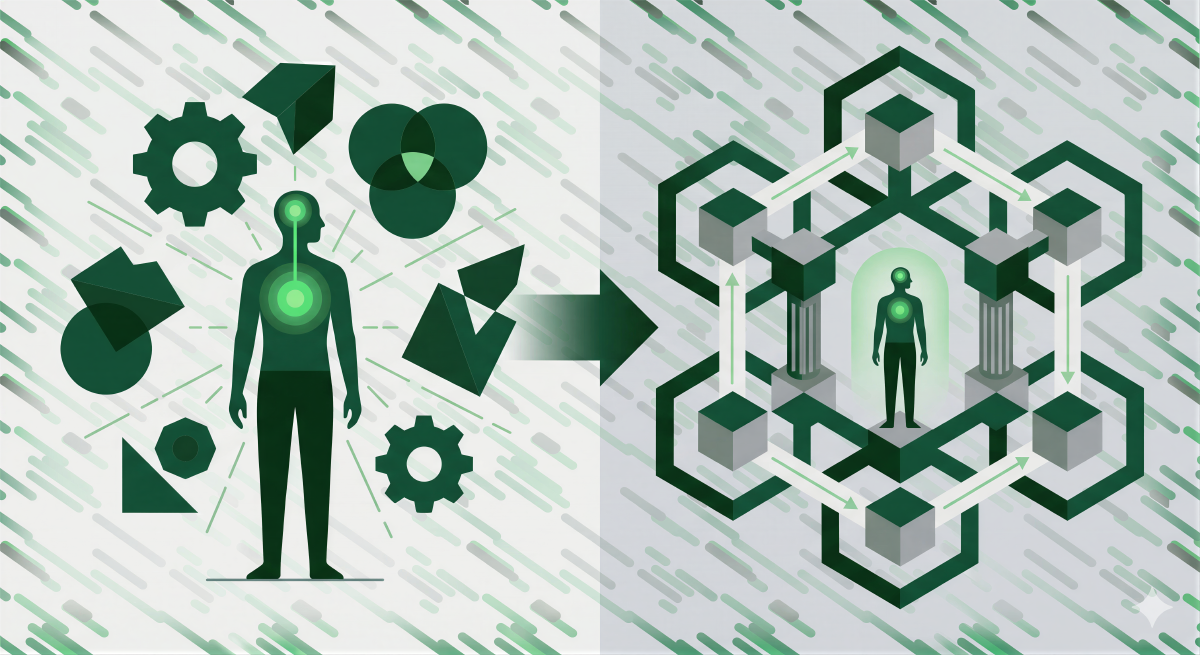
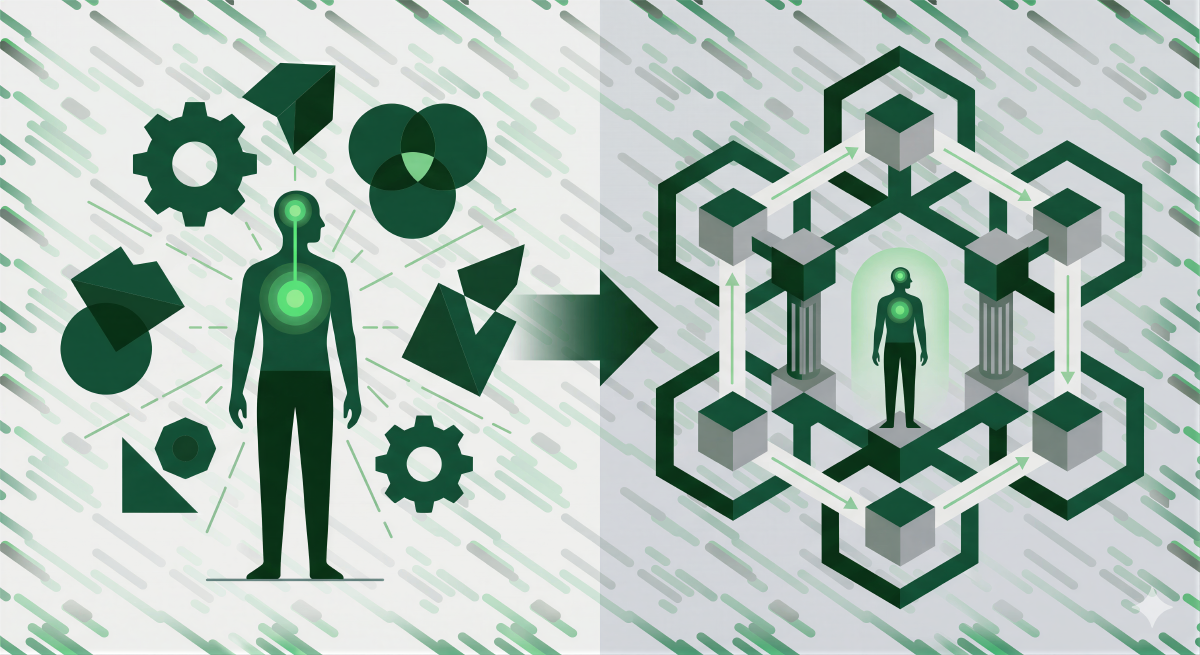
The biological limits of human leaders, the toxicity of masculine defaults, and the inherent flaws of individual-centric choice architecture necessitate a radical evolution in organizational design. The solution lies in transitioning from a fragile model of “Individual Empathy” to a robust framework of “Systemic Compassion.” This transition is defined herein as the implementation of the GCBS solution.
The GCBS solution posits a foundational shift: an organization must not rely on its leaders’ raw emotional reserves to function humanely or effectively. Instead, support mechanisms, psychological safety protocols, and cognitive preservation tactics must be hard-wired into the organizational default. The leader should not have to carry the entire emotional load; the system itself must be architected to bear the weight.
Deconstructing Individual Empathy vs. Systemic Compassion#
Empathy is an individual, affective response, the psychological capability to feel what another person feels. While vital for basic human connection, it is a highly volatile, exhaustible biological resource. Compassion, within the GCBS framework, is redefined systemically as the institutional recognition of suffering, coupled with an automated, actionable, structural mechanism to alleviate it.
- Locus of Responsibility
- The Individual Empathy Model: Rests entirely on the individual manager or executive leader.
- Systemic Compassion (The GCBS Solution): Embedded within the organizational infrastructure, algorithms, and choice architecture.
- Resource Dependency
- The Individual Empathy Model: Relies entirely on the leader’s finite emotional and cognitive reserves.
- Systemic Compassion (The GCBS Solution): Relies on automated, default protocols, interaction scripts, and structural nudges.
- Response to Crisis
- The Individual Empathy Model: Highly reactive, requiring high emotional labor, improvisation, and ad-hoc problem-solving.
- Systemic Compassion (The GCBS Solution): Highly proactive, immediately triggering pre-designed, frictionless support pathways.
- Biological Impact
- The Individual Empathy Model: Results in high allostatic load, hypermetabolism, eventual compassion fatigue, and immune suppression.
- Systemic Compassion (The GCBS Solution): Leads to reduced cognitive friction, preservation of prefrontal cortex function, and lower systemic stress.
- Organizational Default
- The Individual Empathy Model: Driven by self-reliance and masculine defaults; help-seeking requires an active “opt-in” approach and carries a significant social risk.
- Systemic Compassion (The GCBS Solution): Support is the established baseline; “opt-out” mechanisms normalize recovery and psychological safety.
Redesigning Interaction Architecture and Scripting#
Just as traditional choice architecture nudges individuals toward better financial or health decisions, the GCBS solution utilizes “interaction architecture” to nudge individuals toward healthier, more sustainable relational dynamics. Interaction scripts provide predefined, organizationally sanctioned frameworks for navigating complex, emotionally fraught conversations.
Consider a scenario where a subordinate experiences a severe personal crisis or acute burnout. A leader operating under the Individual Empathy model must invent a supportive response, manually assess corporate policy regarding leave, redistribute the team’s workload, and manage the emotional fallout simultaneously. This exponentially spikes emotional labor.
In a GCBS framework, the interaction architecture provides “legitimate nudges”. The leader is equipped with a default interaction script that immediately activates structural support without requiring cognitive invention. This might include the automatic distribution of workflow via project management software, predefined mental health leave protocols that activate without bureaucratic friction, and automated follow-ups coordinated by dedicated human resources professionals. The leader remains relatively present and caring, while the system handles the heavy lifting of logistical and emotional interventions. The systemic default transforms a high-friction threat demand into a manageable, structured process.
Hard-Wiring Metacognition and Institutional Self-Awareness#
A critical, non-negotiable pillar of the GCBS solution is the institutionalization of metacognition. While metacognition is traditionally viewed as an individual process of thinking about one’s own thinking, in a high-stakes environment where activities like nudging and persuasive techniques are constantly deployed, it must be scaled.
Under the GCBS framework, metacognition is scaled from the individual to the institution. The organization actively and continuously monitors its own choice architecture to ensure it is not inadvertently causing compassion fatigue or elevating allostatic load. This involves rigorous, regular audits of “masculine defaults” and performance metrics that have historically rewarded toxic self-reliance and emotional suppression. By developing a structural understanding of its own decision-making processes and biases, the organization prevents external market pressures or internal political dynamics from manipulating the workforce into unsustainable emotional labor. Institutional metacognition allows the system to recognize when it is placing threat demands on its leaders and to redesign the architecture to mitigate them rapidly.
Servant Leadership and the Cultivation of Citizenship Behaviors#
The transition to Systemic Compassion aligns closely with advanced theories of environmentally specific and prosocial servant leadership. Research indicates that when servant leadership behaviors are structurally embedded, they signal to employees that their work is inherently valuable and significant, generating a powerful feeling of “Meaningful Work” (MW).
According to Job Characteristics Theory (JCT) and the Conservation of Resources (COR) theory, when an organization acts as a source of resources (rather than a drain), employees develop desired attitudes and behaviors. By removing the friction of emotional labor through GCBS, leaders can focus on creating Meaningful Work. This, in turn, boosts psychological capital, job satisfaction, and attachment, directly fostering “Citizenship Behaviors”, discretionary, prosocial actions where employees voluntarily support one another and the organization. In a GCBS-architected environment, the cultivation of citizenship behaviors serves as a distributed support network, further reducing reliance on any single leader as the sole emotional anchor.
Designing the Default: Practical Implementations of the GCBS Framework#
The theoretical superiority of Systemic Compassion over Individual Empathy is empirically clear, but the efficacy of the GCBS solution relies entirely on meticulous execution. Modifying choice architecture requires precise, deliberate changes to the organization’s physical, digital, and procedural environments. Small tweaks to structural layout, wording, default settings, or timing can dramatically shift behavior while preserving cognitive resources without limiting individual autonomy.
1. Reversing the Wellness Polarity: The Opt-Out Paradigm#
The single most powerful tool in the arsenal of choice architecture is the default setting. Currently, in almost all corporate structures, wellness, rest, and psychological recovery are strictly opt-in. A leader must actively request time off, seek out a therapeutic professional, or ask for an extension on a critical project. Because of masculine defaults, each of these actions requires emotional labor and carries a perceived threat of status risk or career limitation.
The GCBS solution fundamentally reverses this polarity. Recovery protocols must become strictly opt-out. For example, following a major product launch, a critical incident response, or an intensive quarterly sprint, the system automatically defaults the involved leaders to a low-demand operational state. This could involve algorithms automatically blocking calendars for 48 hours, rerouting non-essential communications to deputies, and automatically generating project extensions for non-critical path items. The leader retains full autonomy to opt out of this recovery period and continue working at high capacity; however, the systemic friction now rests on overwork, rather than on rest. This single shift in choice architecture radically reduces the allostatic load associated with help-seeking behavior.
2. Delegating Emotional Labor to Digital Architecture and AI#
In the modern digital era, choice architecture extends deeply into the technological interfaces that govern daily workflow and communication. The GCBS framework strongly advocates for the strategic use of automation and artificial intelligence to absorb frontline emotional labor and administrative friction.
For instance, the implementation of sophisticated service chatbots and AI-driven internal interfaces can handle routine employee inquiries, triage human resources conflicts, and provide immediate, low-friction access to wellness resources. By managing the high-volume, low-complexity emotional and administrative demands of a large workforce, these digital systems significantly reduce the costs of both physical and emotional labor for human managers. The human leader is then strategically preserved for high-complexity, nuanced, and relationally critical human interactions.
This concept, drawn from “choice comprehensiveness,” ensures that technology is utilized not merely for raw operational efficiency or surveillance (which increases anxiety), but for the deliberate, calculated preservation of the human leader’s cognitive capacity and emotional reserves.
3. Risk Reframing and Assisted Transitions in Change Management#
A major source of chronic exhaustion for leaders driving organizational evolution is the relentless resistance they encounter from teams due to the perceived “cost of change”. The GCBS solution uses “risk reframing” and “assisted transitions” as standard tools of choice architecture to systematically minimize this friction.
Instead of a leader expending massive emotional labor to persuade, cajole, and motivate a reluctant team to adopt a new protocol or software, the system itself presents the change through a behavioral lens of loss aversion. It frames the narrative around what is tangibly lost by maintaining the status quo, rather than requiring the leader to sell the abstract gains of the future. Furthermore, the system defaults to assisted transitions, framing the change as effortless (“We will handle the switch for you”), removing the logistical burden and fear of failure from the end-user. By designing the decision environment to make change feel frictionless and safe, the organization dramatically reduces the emotional persuasion and deep acting required from the leader.
4. Coaching as a Regenerative Modality Against Power Stress#
Traditional, hierarchical leadership paradigms view the leader’s energy as flowing outward to subordinates, a unidirectional, inevitably depleting drain. However, the GCBS solution integrates critical findings from affective neuroscience, demonstrating that specific types of interaction architectures are biologically regenerative for the leader.
Research indicates that demonstrating compassion strictly through the modality of coaching others, rather than directing, managing, or micromanaging them, activates specific psychophysiological interactions that restore the body’s natural healing and growth processes. Leaders who are structurally positioned to engage in coaching experience a measurable reduction in the toxic effects of chronic power stress. Therefore, the GCBS choice architecture mandates coaching frameworks as the default interaction script for performance management. By embedding structured coaching methodologies into the organizational DNA, the system transforms a daily administrative demand into a vital mechanism for reducing the leader’s allostatic load and enhancing long-term biological sustainability. Furthermore, providing leaders with evidence-based compassion training directly increases self-compassion, a powerful, proven antidote to empathic distress and compassion fatigue.
5. Environmental Nudging for Biological Restoration#
Finally, systemic compassion must manifest physically in the tangible, temporal environment in which work occurs. Drawing inspiration from concepts such as active urbanism, which uses choice architecture to encourage healthy physical activity in cities, and educational nudges that promote continuous learning without coercion, corporate choice architecture must nudge leaders toward biological recovery.
This involves manipulating the physical and digital environment to make desirable behavior (taking breaks, disconnecting from the network) entirely frictionless. If a system truly embraces bounded emotionality, it aggressively eliminates the architectural cues that promote hyper-availability. Examples of GCBS environmental nudges include: email servers that automatically delay the delivery of non-urgent messages sent after hours to prevent anticipatory stress; physical workspaces that strictly separate deep-focus, isolated zones from highly stimulating collaborative areas; and enterprise meeting protocols that default calendar invites to 45 minutes instead of 60, hard-wiring a 15-minute cognitive reset period into the organizational rhythm. These architectural choices do not forbid overwork, but they systematically remove the invisible incentives and behavioral traps that drive it.
Conclusion#
The era of relying on the heroic, endlessly resilient, and self-sacrificing leader is both biologically and operationally obsolete. Modern high-stakes global systems generate a volume of psychosocial stress, relational friction, and operational complexity that far exceeds the allostatic capacity of any single human organism. When organizations fail to recognize the strict biological limits of their workforce, they inadvertently force their architects to bridge structural gaps with raw emotional labor. This reliance leads inevitably to hypermetabolism, severe immune dysregulation, and the psychological destruction known as compassion fatigue.
The exhaustion of the modern architect is not a failure of individual character, a lack of willpower, or a lack of resilience; it is the predictable outcome of a deeply flawed choice architecture that defaults to an unsustainable Individual Empathy model. Empathy is a vital but finite biological resource. Treating it as the primary structural support of a complex organization guarantees systemic collapse and the alienation of top-tier talent.
The transition to the GCBS solution, the architectural implementation of Systemic Compassion, represents the necessary and urgent evolution of organizational design. By leveraging the empirically validated principles of behavioral economics, affective neuroscience, and interaction architecture, organizations can successfully hard-wire support, recovery, and psychological safety into the operational default. Through the deployment of opt-out recovery mechanisms, the strategic delegation of administrative emotional labor to intelligent digital systems, the dismantling of toxic masculine defaults, and the institutionalization of metacognition, the burden of care is fundamentally shifted from the fragile individual to the robust environment.
In this newly architected paradigm, leaders are no longer required to act as the expendable shock absorbers of a poorly designed system. Instead, liberated from the crushing weight of continuous emotional labor, they are free to fulfill their true mandate: directing strategy, fostering innovation, and guiding the organization with a preserved cognitive capacity and a protected, sustainable neurobiological baseline. Hard-wiring compassion into the default architecture of an enterprise is not merely a philanthropic endeavor or a superficial wellness initiative; it is the definitive, non-negotiable strategic imperative for surviving and scaling high-stakes global systems in the modern era.
References#
- Becker, W. J., Cropanzano, R., Van Wagoner, P., & Keplinger, K. (2018). Emotional labor within teams: Outcomes of individual and peer emotional labor on perceived team support, extra-role behaviors, and turnover intentions. Group & Organization Management, 43(1), 38–71. https://doi.org/10.1177/1059601117707608
- Brook, P. (2009). The alienated heart: Hochschild’s ‘emotional labour’ thesis and the anticapitalist politics of alienation. Capital & Class, 33(2), 7–31. https://doi.org/10.1177/030981680909800101
- Brook, P. (2011). Learning the feeling rules: Exploring Hochschild’s thesis on the alienating experience of emotional labor. In P. E. Jones (Ed.), Marxism and education: Renewing the dialogue, pedagogy, and culture (pp. 89–116). Palgrave Macmillan. https://doi.org/10.1057/9780230119864_5
- Brotheridge, C. M., & Lee, R. T. (2002). Testing a conservation of resources model of the dynamics of emotional labor. Journal of Occupational Health Psychology, 7(1), 57–67. https://doi.org/10.1037/1076-8998.7.1.57
- Dutton, J. E., Workman, K. M., & Hardin, A. E. (2014). Compassion at work. Annual Review of Organizational Psychology and Organizational Behavior, 1(1), 277–304. https://doi.org/10.1146/annurev-orgpsych-031413-091221
- Ellis, B. J., & Del Giudice, M. (2014). Beyond allostatic load: Rethinking the role of stress in regulating human development. Development and Psychopathology, 26(1), 1–20. https://doi.org/10.1017/s0954579413000849
- Feng, Z., Liu, Y., Wang, Z., & Savani, K. (2020). Let’s choose one of each: Using the partition dependence effect to increase diversity in organizations. Organizational Behavior and Human Decision Processes, 158, 11–26. https://doi.org/10.1016/j.obhdp.2020.01.011
- Gabriel, A. S., & Diefendorff, J. M. (2015). Emotional labor dynamics: A momentary approach. Academy of Management Journal, 58(6), 1804–1825. https://doi.org/10.5465/amj.2013.1135
- Grandey, A. A., & Gabriel, A. S. (2015). Emotional labor at a crossroads: Where do we go from here? Annual Review of Organizational Psychology and Organizational Behavior, 2(1), 323–349. https://doi.org/10.1146/annurev-orgpsych-032414-111400
- Grandey, A. A., & Melloy, R. C. (2017). The state of the heart: Emotional labor as emotion regulation reviewed and revised. Journal of Occupational Health Psychology, 22(3), 407–422. https://doi.org/10.1037/ocp0000067
- Halbesleben, J. R. B., Neveu, J.-P., Paustian-Underdahl, S. C., & Westman, M. (2014). Getting to the “COR”: Understanding the role of resources in conservation of resources theory. Journal of Management, 40(5), 1334–1364. https://doi.org/10.1177/0149206314527130
- He, J. C., Kang, S. K., & Lacetera, N. (2021). Opt-out choice framing attenuates gender differences in the decision to compete in the laboratory and in the field. Proceedings of the National Academy of Sciences, 118(42), Article e2108337118. https://doi.org/10.1073/pnas.2108337118
- Hobfoll, S. E., Halbesleben, J., Neveu, J.-P., & Westman, M. (2018). Conservation of resources in the organizational context: The reality of resources and their consequences. Annual Review of Organizational Psychology and Organizational Behavior, 5(1), 103–128. https://doi.org/10.1146/annurev-orgpsych-032117-104640
- Hochschild, A. R. (2002). The sociology of emotion as a way of seeing. In G. Bendelow & S. J. Williams (Eds.), Emotions in social life: Critical themes (pp. 31–44). Routledge. https://doi.org/10.4324/9780203437452-10
- Hong, D., & Kim, M. (2023). Emotional labor among team members: Do employees follow emotional display norms for teams, not for customers? Frontiers in Psychology, 14, Article 1265581. https://doi.org/10.3389/fpsyg.2023.1265581
- Hülsheger, U. R., & Schewe, A. F. (2011). On the costs and benefits of emotional labor: A meta-analysis of three decades of research. Journal of Occupational Health Psychology, 16(3), 361–389. https://doi.org/10.1037/a0022876
- Humphrey, R. H., Ashforth, B. E., & Diefendorff, J. M. (2015). The bright side of emotional labor. Journal of Organizational Behavior, 36(6), 749–769. https://doi.org/10.1002/job.2019
- Kammeyer-Mueller, J. D., Rubenstein, A. L., Long, D. M., Odio, M. A., Buckman, B. R., Zhang, Y., & Halvorsen-Ganepola, M. D. K. (2013). A meta-analytic structural model of dispositional affectivity and emotional labor. Personnel Psychology, 66(1), 47–90. https://doi.org/10.1111/peps.12009
- Kanov, J. M., Maitlis, S., Worline, M. C., Dutton, J. E., Frost, P. J., & Lilius, J. M. (2004). Compassion in organizational life. American Behavioral Scientist, 47(6), 808–827. https://doi.org/10.1177/0002764203260211
- Killam, R. (2020). Book review: Awakening compassion at work: The quiet power that elevates people and organizations. Journal of Campus Activities Practice and Scholarship, 2(2), 67–71. https://doi.org/10.52499/2020013
- Lee, M., & Jang, K.-S. (2019). Nurses’ emotions, emotion regulation and emotional exhaustion. International Journal of Organizational Analysis, 27(5), 1409–1421. https://doi.org/10.1108/ijoa-06-2018-1452
- Lilius, J. M., Worline, M. C., Dutton, J. E., Kanov, J. M., & Maitlis, S. (2011). Understanding compassion capability. Human Relations, 64(7), 873–899. https://doi.org/10.1177/0018726710396250
- Lu, Y., Wu, W., Mei, G., Zhao, S., Zhou, H., Li, D., & Pan, D. (2019). Surface acting or deep acting, who need more effortful? A study on emotional labor using functional near-infrared spectroscopy. Frontiers in Human Neuroscience, 13, Article 151. https://doi.org/10.3389/fnhum.2019.00151
- Mallory, D. B., & Rupp, D. E. (2018). Focusing in on the emotion laborer: Emotion regulation at work. In K. D. Vohs & R. F. Baumeister (Eds.), Handbook of self-regulation: Research, theory, and applications (3rd ed., pp. 323–342). Guilford Press.
- Mayer, J. D., Roberts, R. D., & Barsade, S. G. (2008). Human abilities: Emotional intelligence. Annual Review of Psychology, 59(1), 507–536. https://doi.org/10.1146/annurev.psych.59.103006.093646
- McEwen, B. S. (2017). Neurobiological and systemic effects of chronic stress. Chronic Stress, 1, Article 2470547017692328. https://doi.org/10.1177/2470547017692328
- Neckel, S. (2009). Emotion by design: Self-management of feelings as a cultural program. In B. Röttger-Rössler & H. J. Markowitsch (Eds.), Emotions as bio-cultural processes (pp. 181–198). Springer. https://doi.org/10.1007/978-0-387-09546-2_9
- Nesher Shoshan, H., Venz, L., & Sonnentag, S. (2022). Being recovered as an antecedent of emotional labor: A diary study. Journal of Personnel Psychology, 21(4), 197–207. https://doi.org/10.1027/1866-5888/a000302
- Pfaltz, M. C., & Schnyder, U. (2023). Allostatic load and allostatic overload: Preventive and clinical implications. Psychotherapy and Psychosomatics, 92(5), 279–282. https://doi.org/10.1159/000534340
- Pinkawa, C., & Dörfel, D. (2024). Emotional labor as emotion regulation investigated with ecological momentary assessment: A scoping review. BMC Psychology, 12, Article 69. https://doi.org/10.1186/s40359-023-01469-9
- Pirson, M. (2018). Exploring the boundaries of compassion organizing. Humanistic Management Journal, 2(2), 151–169. https://doi.org/10.1007/s41463-017-0028-4
- Rantala, E., Vanhatalo, S., Perez-Cueto, F. J. A., Pihlajamäki, J., Poutanen, K., Karhunen, L., & Absetz, P. (2023). Acceptability of workplace choice architecture modification for healthy behaviours. BMC Public Health, 23, Article 2451. https://doi.org/10.1186/s12889-023-17331-x
- Rodriquez, E. J., Kim, E. N., Sumner, A. E., Nápoles, A. M., & Pérez-Stable, E. J. (2019). Allostatic load: Importance, markers, and score determination in minority and disparity populations. Journal of Urban Health, 96(S1), 3–11. https://doi.org/10.1007/s11524-019-00345-5
- Sayre, G. M., Grandey, A. A., & Chi, N.-W. (2020). From cheery to “cheers”? Regulating emotions at work and alcohol consumption after work. Journal of Applied Psychology, 105(6), 597–618. https://doi.org/10.1037/apl0000452
- Simpson, A. V., Farr-Wharton, B., & Reddy, P. (2020). Cultivating organizational compassion in healthcare. Journal of Management & Organization, 26(3), 340–354. https://doi.org/10.1017/jmo.2019.54
- Sinclair, S., Hack, T. F., Raffin-Bouchal, S., McClement, S., Stajduhar, K., Singh, P., Hagen, N. A., Sinnarajah, A., & Chochinov, H. M. (2018). What are healthcare providers’ understandings and experiences of compassion? The healthcare compassion model: A grounded theory study of healthcare providers in Canada. BMJ Open, 8(3), e019701. https://doi.org/10.1136/bmjopen-2017-019701
- Sonnentag, S., Venz, L., & Casper, A. (2017). Advances in recovery research: What have we learned? What should be done next? Journal of Occupational Health Psychology, 22(3), 365–380. https://doi.org/10.1037/ocp0000079
- Wang, W., Yin, H., & Huang, S. (2016). The missing links between emotional job demand and exhaustion and satisfaction: Testing a moderated mediation model. Journal of Management & Organization, 22(1), 80–95. https://doi.org/10.1017/jmo.2015.21
- Yang, K., & Jang, H. (2022). Mechanisms linking emotional labour and emotional exhaustion: Combining two different perspectives. Asian Journal of Social Psychology, 25(4), 688–700. https://doi.org/10.1111/ajsp.12530
- Yu, J., Mei, X., Zeng, Y., Yuan, D., Yu, Y., & Ye, Z. (2025). Associations among emotional intelligence, resilience, and humanistic caring ability in nursing postgraduates: A response surface analysis and moderated mediation model. Perspectives in Psychiatric Care, Article 4811861. https://doi.org/10.1155/ppc/4811861
- Zhang, G., Xu, K., & Chen, T. (2026). How does emotional labor relate to emotional exhaustion among university counselors? The differential moderating roles of psychological detachment. BMC Psychology, 14(1), Article 540. https://doi.org/10.1186/s40359-026-04325-8